This section gives an overview of the book and how it is structured. You may wish to read the book from start to finish, or you may choose to read the sections most relevant to your needs and interests.
Part 1: Health advice can be harmful gives an introduction to the reasons why health advice may be misleading. It discusses some of the common pitfalls for consumers and health professionals, how to identify meaningful health claims and research, and why it can be unwise to rely on the opinions of the experts.
Monday, November 1, 2010

Thursday, October 28, 2010
Body Building Athlete's Oldest From Japan
Ade Rai is okay to be proud to have muscular, athletic body to date. But is there any guarantee that he could care for her hard body up to his old ageNo one knows except the Lord. In Japan, there is a bodybuilder who has proved himself, young age was no longer appear as a bodybuilding athlete, but Tsutomu Tosaka as the name suggests, is a bodybuilding athlete who manages to look still excellent with athletic and muscular body is. Age was 74, but still kelihatab fit and no wrinkles. Great right? He got a number # 1 champion recently.


Ade Rai Borneo Spice Body Building Contest

Not only that, the presence of ambassadors WHO also generate public interest Sampit city, East Waringin City to watch a bodybuilding contest for the first time held in the city. Hurung Habaring gym with a capacity of three thousand people seemed cramped to accommodate the number of spectators.Chief executive committee, Mola Ramlah Kani, was quoted as saying RCTI, bodybuilding competition intended to spur the athletes coached sports in this region to be more advanced in terms of achievement, and when the time comes to perform at national events.The competition opened by the Regent of East Waringin City, Wahyudi K. Anwar, the race three classes, each class of 55 kilograms, 60 kilograms and 65 kilograms. At 55 and 60 kilograms class athletes struggle to dominate the host bodybuilding champion. In the 55 kilogram class, came out as the first winner of the city Joel Sampit. A second winner of Banjarbaru Mutim South Kalimantan, and the third champion Henry from Banjarmasin, South Kalimantan.In grade 60 kilograms, the first champion bodybuilding athletes from Banjarmasin on behalf Saidi, winner of the second and third captured Fitriansyah Ray and M Saifudin, both derived from Sampit. While in the 65 kilogram class, the first champion athlete Ratmana origin Banjarmasin, the second winner of Kandangan Saukani, South Kalimantan, and the third champion Hariadi from Banjarmasin. in Indonesia
What are the food sources of vitamin A
Retinol or preformed vitamin A is found in sources of animal origin while carotenoid or provitamin A is found in fruits and vegetables. Our body can transform some members of the carotenoid family like alpha-carotene, beta-carotene and gamma-carotene into vitamin A. These carotenoids are sometimes referred as “provitamin A” and retinol as “preformed vitamin A.”
Animal sources of vitamin A are liver, milk, cream, cheese, eggs, meat, kidney and cod fish oil. Though these resources are rich in vitamin A, except skimmed milk the other sources are high in cholestrol and saturated fats.
 Sources of beta-carotene are carrots, sweet potatoes pumpkin, winter squashes, pink grapefruit, cantaloupe apricots, spinach, broccoli and almost all dark green, leafy vegetables. The beta carotene content increases with respect to the intensity of the color of a vegetable or a fruit. All these vegetable sources are free from cholesterol and fat.
Animal sources of vitamin A are liver, milk, cream, cheese, eggs, meat, kidney and cod fish oil. Though these resources are rich in vitamin A, except skimmed milk the other sources are high in cholestrol and saturated fats.
Retinol, which is an active kind of vitamin A, is found in whole milk, animal liver and certain fortified foods.
content of orange on the body
What are the functions of the vitamin A?
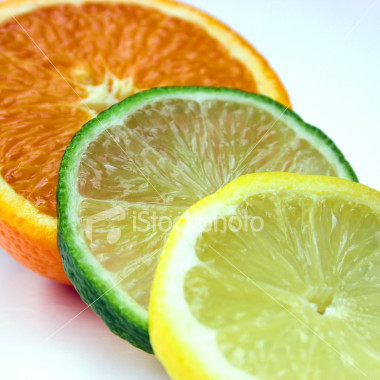
Vitamin A aids formation and maintainance of healthy teeth, skin, skeletal and smooth muscles and mucous membranes. It produces the pigments in the eye’s retina and thus it is termed as retinol. It promotes good vision, particularly in low light. Vitamin A is also necessary for reproduction and breast feeding. It is also required for the proper functioning of our immune system.
Tuesday, May 25, 2010
Book Review: S.P.E.E.D.
This book was sent to me by Matt Schoeneberger, who co-authored it with Jeff Thiboutot. Both have master's degrees in exercise science and health promotion. S.P.E.E.D. stands for Sleep, Psychology, Exercise, Environment and Diet. The authors have attempted to create a concise, comprehensive weight loss strategy based on what they feel is the most compelling scientific evidence available. It's subtitled "The Only Weight Loss Book Worth Reading". Despite the subtitle that's impossible to live up to, it was an interesting and well-researched book. It was a very fast read at 205 large-print pages including 32 pages of appendices and index.
I really appreciate the abundant in-text references the authors provided. I have a hard time taking a health and nutrition book seriously that doesn't provide any basis to evaluate its statements. There are already way too many people flapping their lips out there, without providing any outside support for their statements, for me to tolerate that sort of thing. Even well-referenced books can be a pain if the references aren't in the text itself. Schoeneberger and Thiboutot provided appropriate, accessible references for nearly every major statement in the book.
Chapter one, "What is a Healthy Weight", discusses the evidence for an association between body weight and health. They note that both underweight and obesity are associated with poor health outcomes, whereas moderate overweight isn't. While I agree, I continue to maintain that being fairly lean and appropriately muscled (which doesn't necessarily mean muscular) is probably optimal. The reason that people with a body mass index (BMI) considered to be "ideal" aren't healthier on average than people who are moderately overweight may have to do with the fact that many people with an "ideal" BMI are skinny-fat, i.e. have low muscle mass and too much abdominal fat.
Chapter 2, "Sleep", discusses the importance of sleep in weight regulation and overall health. They reference some good studies and I think they make a compelling case that it's important. Chapter 3, "Psychology", details psychological strategies to motivate and plan for effective weight loss.
Chapter 4, "Exercise", provides an exercise plan for weight loss. The main message: do it! I think they give a fair overview of the different categories of exercise and their relative merits, including high-intensity intermittent training (HIIT). However, the exercise regimen they suggest is intense and will probably lead to overtraining in many people. They recommend resistance training major, multi-joint exercises, 1-3 sets to muscular failure 2-4 days a week. I've been at the higher end of that recommendation and it made my joints hurt, plus I was weaker than when I strength trained less frequently. I think the lower end of their recommendation, 1 set of each exercise to failure twice a week, is more than sufficient to meet the goal of maximizing improvements in body composition in most people. My current routine is one brief strength training session and one sprint session per week (in addition to my leisurely cycle commute), which works well for me on a cost-benefit level. However, I was stronger when I was strength training twice a week and never going to muscular failure (a la Pavel Tsatsouline).
Chapter 5, "Environment", is an interesting discussion of different factors that promote excessive calorie intake, such as the setting of the meal, the company or lack thereof, and food presentation. While they support their statements very well with evidence from scientific studies, I do have a lingering doubt about these types of studies: as far as I know, they're all based on short-term interventions. Science would be a lot easier if short-term always translated to long term, but unfortunately that's not the case. For example, studies lasting one or two weeks show that low glycemic index foods cause a reduction in calorie intake and greater feelings of fullness. However, this effect disappears in the long term, and numerous controlled trials show that low glycemic index diets have no effect on food intake, body weight or insulin sensitivity in the long term. I reviewed those studies here.
The body has homeostatic mechanisms (homeostatic = maintains the status quo) that regulate long-term energy balance. Whether short-term changes in calorie intake based on environmental cues would translate into sustained changes that would have a significant impact on body fat, I don't know. For example, if you eat a meal with your extended family at a restaurant that serves massive portions, you might eat twice as much as you would by yourself in your own home. But the question is, will your body factor that huge meal into your subsequent calorie intake and energy expenditure over the following days? The answer is clearly yes, but the degree of compensation is unclear. Since I'm not aware of any trials indicating that changing meal context can actually lead to long-term weight loss, I can't put much faith in this strategy (if you know otherwise, please link to the study in the comments).
Chapter 6, "Diet", is a very brief discussion of what to eat for weight loss. They basically recommend a low-calorie, low-carb diet focused on whole, natural foods. I think low-carbohydrate diets can be useful for some overweight people trying to lose weight, if for no other reason than the fact that they make it easier to control appetite. In addition, a subset of people respond very well to carbohydrate restriction in terms of body composition, health and well-being. The authors emphasize nutrient density, but don't really explain how to achieve it. It would have been nice to see a discussion of a few topics such as organ meats, leafy greens, dairy quality (pastured vs. conventional) and vitamin D. These may not help you lose weight, but they will help keep you healthy, particularly on a calorie-restricted diet. The authors also recommend a few energy bars, powders and supplements that I don't support. They state that they have no financial connection to the manufacturers of the products they recommend.
I'm wary of their recommendation to deliberately restrict calorie intake. Although it will clearly cause fat loss if you restrict calories enough, it's been shown to be ineffective for sustainable, long-term fat loss over and over again. The only exception is the rare person with an iron will who is able to withstand misery indefinitely. I'm going to keep an open mind on this question though. There may be a place for deliberate calorie restriction in the right context. But at this point I'm going to require some pretty solid evidence that it's effective, sustainable, and doesn't have unacceptable side effects.
The book contains a nice bonus, an appendix titled "What is Quality Evidence"? It's a brief discussion of common logical pitfalls when evaluating evidence, and I think many people could benefit from reading it.
Overall, S.P.E.E.D. was a worthwhile read, definitely superior to 95% of fat loss books. With some caveats mentioned above, I think it could be a useful resource for someone interested in fat loss.
I really appreciate the abundant in-text references the authors provided. I have a hard time taking a health and nutrition book seriously that doesn't provide any basis to evaluate its statements. There are already way too many people flapping their lips out there, without providing any outside support for their statements, for me to tolerate that sort of thing. Even well-referenced books can be a pain if the references aren't in the text itself. Schoeneberger and Thiboutot provided appropriate, accessible references for nearly every major statement in the book.
Chapter one, "What is a Healthy Weight", discusses the evidence for an association between body weight and health. They note that both underweight and obesity are associated with poor health outcomes, whereas moderate overweight isn't. While I agree, I continue to maintain that being fairly lean and appropriately muscled (which doesn't necessarily mean muscular) is probably optimal. The reason that people with a body mass index (BMI) considered to be "ideal" aren't healthier on average than people who are moderately overweight may have to do with the fact that many people with an "ideal" BMI are skinny-fat, i.e. have low muscle mass and too much abdominal fat.
Chapter 2, "Sleep", discusses the importance of sleep in weight regulation and overall health. They reference some good studies and I think they make a compelling case that it's important. Chapter 3, "Psychology", details psychological strategies to motivate and plan for effective weight loss.
Chapter 4, "Exercise", provides an exercise plan for weight loss. The main message: do it! I think they give a fair overview of the different categories of exercise and their relative merits, including high-intensity intermittent training (HIIT). However, the exercise regimen they suggest is intense and will probably lead to overtraining in many people. They recommend resistance training major, multi-joint exercises, 1-3 sets to muscular failure 2-4 days a week. I've been at the higher end of that recommendation and it made my joints hurt, plus I was weaker than when I strength trained less frequently. I think the lower end of their recommendation, 1 set of each exercise to failure twice a week, is more than sufficient to meet the goal of maximizing improvements in body composition in most people. My current routine is one brief strength training session and one sprint session per week (in addition to my leisurely cycle commute), which works well for me on a cost-benefit level. However, I was stronger when I was strength training twice a week and never going to muscular failure (a la Pavel Tsatsouline).
Chapter 5, "Environment", is an interesting discussion of different factors that promote excessive calorie intake, such as the setting of the meal, the company or lack thereof, and food presentation. While they support their statements very well with evidence from scientific studies, I do have a lingering doubt about these types of studies: as far as I know, they're all based on short-term interventions. Science would be a lot easier if short-term always translated to long term, but unfortunately that's not the case. For example, studies lasting one or two weeks show that low glycemic index foods cause a reduction in calorie intake and greater feelings of fullness. However, this effect disappears in the long term, and numerous controlled trials show that low glycemic index diets have no effect on food intake, body weight or insulin sensitivity in the long term. I reviewed those studies here.
The body has homeostatic mechanisms (homeostatic = maintains the status quo) that regulate long-term energy balance. Whether short-term changes in calorie intake based on environmental cues would translate into sustained changes that would have a significant impact on body fat, I don't know. For example, if you eat a meal with your extended family at a restaurant that serves massive portions, you might eat twice as much as you would by yourself in your own home. But the question is, will your body factor that huge meal into your subsequent calorie intake and energy expenditure over the following days? The answer is clearly yes, but the degree of compensation is unclear. Since I'm not aware of any trials indicating that changing meal context can actually lead to long-term weight loss, I can't put much faith in this strategy (if you know otherwise, please link to the study in the comments).
Chapter 6, "Diet", is a very brief discussion of what to eat for weight loss. They basically recommend a low-calorie, low-carb diet focused on whole, natural foods. I think low-carbohydrate diets can be useful for some overweight people trying to lose weight, if for no other reason than the fact that they make it easier to control appetite. In addition, a subset of people respond very well to carbohydrate restriction in terms of body composition, health and well-being. The authors emphasize nutrient density, but don't really explain how to achieve it. It would have been nice to see a discussion of a few topics such as organ meats, leafy greens, dairy quality (pastured vs. conventional) and vitamin D. These may not help you lose weight, but they will help keep you healthy, particularly on a calorie-restricted diet. The authors also recommend a few energy bars, powders and supplements that I don't support. They state that they have no financial connection to the manufacturers of the products they recommend.
I'm wary of their recommendation to deliberately restrict calorie intake. Although it will clearly cause fat loss if you restrict calories enough, it's been shown to be ineffective for sustainable, long-term fat loss over and over again. The only exception is the rare person with an iron will who is able to withstand misery indefinitely. I'm going to keep an open mind on this question though. There may be a place for deliberate calorie restriction in the right context. But at this point I'm going to require some pretty solid evidence that it's effective, sustainable, and doesn't have unacceptable side effects.
The book contains a nice bonus, an appendix titled "What is Quality Evidence"? It's a brief discussion of common logical pitfalls when evaluating evidence, and I think many people could benefit from reading it.
Overall, S.P.E.E.D. was a worthwhile read, definitely superior to 95% of fat loss books. With some caveats mentioned above, I think it could be a useful resource for someone interested in fat loss.
Monday, May 24, 2010
Thank You
I'd like to extend my sincere thanks to everyone who has supported me through donations this year. The money has allowed me to buy materials that I wouldn't otherwise have been able to afford, and I feel it has enriched the blog for everyone. Here are some of the books I've bought using donations. Some were quite expensive:
Food and western disease: health and nutrition from an evolutionary perspective. Staffan Lindeberg (just released!!)
Nutrition and disease. Edward Mellanby
Migration and health in a small society: the case of Tokelau. Edited by Albert F. Wessen
The saccharine disease. T. L. Cleave
Culture, ecology and dental anthropology. John R. Lukacs
Vitamin K in health and disease. John W. Suttie
Craniofacial development. Geoffrey H. Sperber
Western diseases: their emergence and prevention. Hugh C. Trowell and Denis P. Burkitt
The ultimate omega-3 diet. Evelyn Tribole
Our changing fare. John Yudkin and colleagues
Donations have also paid for many, many photocopies at the medical library. I'd also like to thank everyone who participates in the community by leaving comments, or by linking to my posts. I appreciate your encouragement, and also the learning opportunities.
Food and western disease: health and nutrition from an evolutionary perspective. Staffan Lindeberg (just released!!)
Nutrition and disease. Edward Mellanby
Migration and health in a small society: the case of Tokelau. Edited by Albert F. Wessen
The saccharine disease. T. L. Cleave
Culture, ecology and dental anthropology. John R. Lukacs
Vitamin K in health and disease. John W. Suttie
Craniofacial development. Geoffrey H. Sperber
Western diseases: their emergence and prevention. Hugh C. Trowell and Denis P. Burkitt
The ultimate omega-3 diet. Evelyn Tribole
Our changing fare. John Yudkin and colleagues
Donations have also paid for many, many photocopies at the medical library. I'd also like to thank everyone who participates in the community by leaving comments, or by linking to my posts. I appreciate your encouragement, and also the learning opportunities.
Subscribe to:
Comments (Atom)